Sunday, August 20, 2017

Shape vs. Form


Shape is what something looks like. Form is what something is.


Technically Garfield the cat is abstract art. If your cat looks exactly like Garfield seek medical attention immediately for both you and your cat! There are enough cat like features and impressions so that we can relate Garfield to being a cat. His shape is round because he's fat. Round is a shape. Cat is what Garfield is. Therefore cat would be Garfield's form.


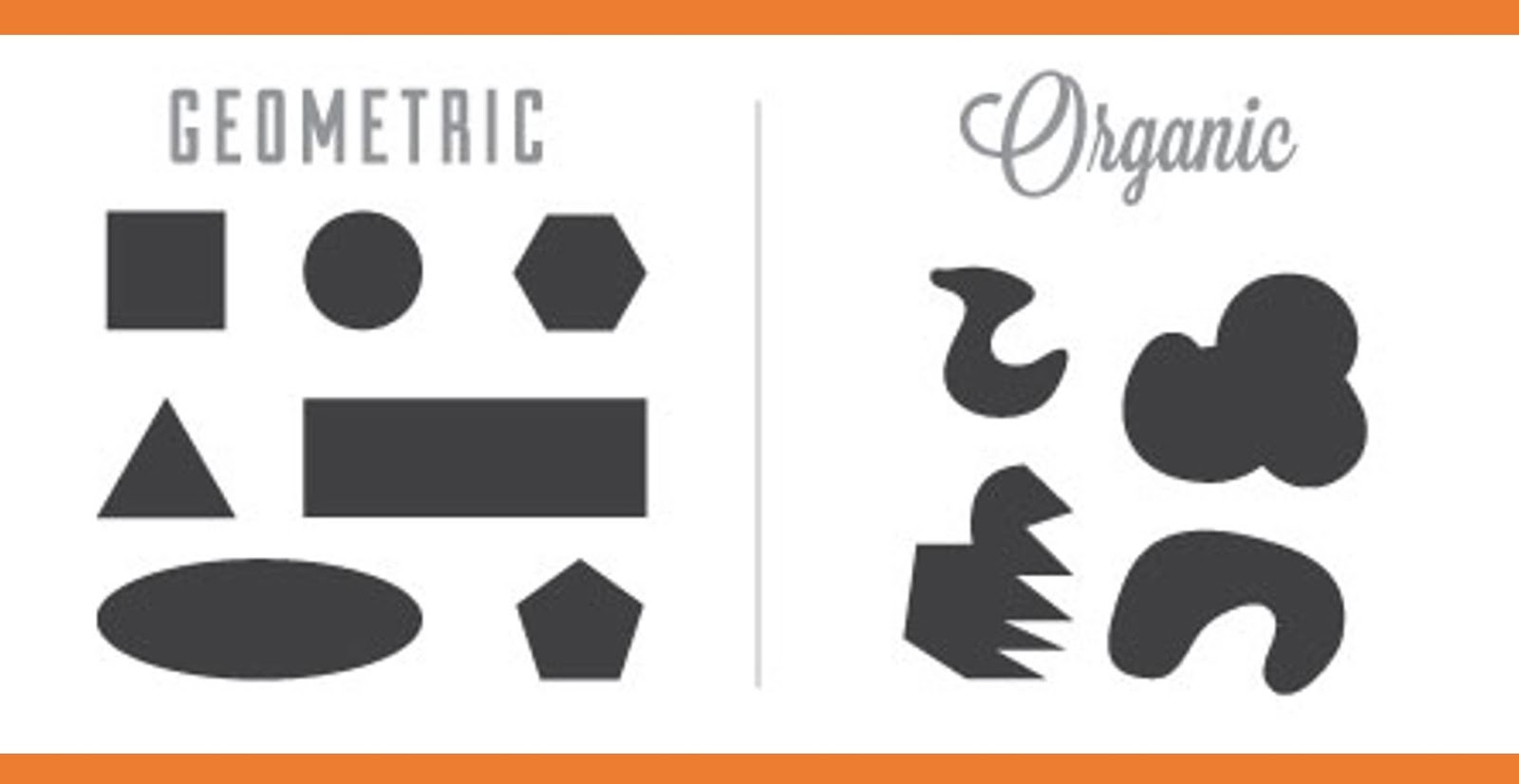
There are many types of shapes but there are two basic categories... Organic or Geometric. Organic shapes occur in nature, and are often grown or shaped by naturally occurring events.


Geometric shapes which can be called inorganic or mechanical are often crafted and reflect intelligent design. Most geometric shapes require manufacturing of some sort. 


Robots such as WALL-E are built and crafted by geometric shapes. WALL-E if you look closely is  a combination of inorganic or mechanical shapes. 


Here is an example of organic shape the plant being planted by an mechanical shape WALL-E.


The way you make a complex form is to take basic shapes...

and combine them using lines.


Ever wonder where stop signs came from? Look at the shape of the hand.


The outline of an object is called a contour. It's the line brings the organic and inorganic shapes together.


Just by looking at a contour you tell what something is. What does this contour below look like? If you guessed a city skyline you'd be correct.


You can almost think of how inorganic and organic shapes are added as an mathematical equation. The equal sign being the contour or outline that brings everything together.


Number one rule: DON'T BE BORING!!!


If you are bored so is your audience. Don't copy others, but learn and be inspired by their work so you too can make something that is interesting or cool to you. 


Even the most simple task could look awesome if you combine it with something great. Vanilla ice cream can be boring, but when you add candy, fudge, and caramel you got something special.


The World is Shapes


Everything around us is a collection of shapes. Your windows, your tables, and flags are usually made up of similar shapes such as rectangles. Does this mean that they are always the same shape? No, but what this does mean is that they are simply another shape that you should be able to easily identify. 


It's by identifying these shapes that artists are able to see the world differently. Artists are able to simplify complex objects to see the parts of how something is constructed. This may sound strange, but anything you are good at, you are able to simplify. Think about what you are good at. Is it skateboarding? Is it cooking? Is it playing video games? What other people find amazing you are able to complete as a simple task. Were you always good at it? Walking was difficult for you until learned to balance yourself. Now it is a simple task. You needed to train yourself as a child to learn how to walk. We artists need to train our eyes to see the shapes in the objects around us. 


Thinking of the  world being shapes shouldn't be all that unfamiliar. This is why Minecraft and Legos work. Understanding that complex objects are made of basic shapes can enable you to craft amazing things!


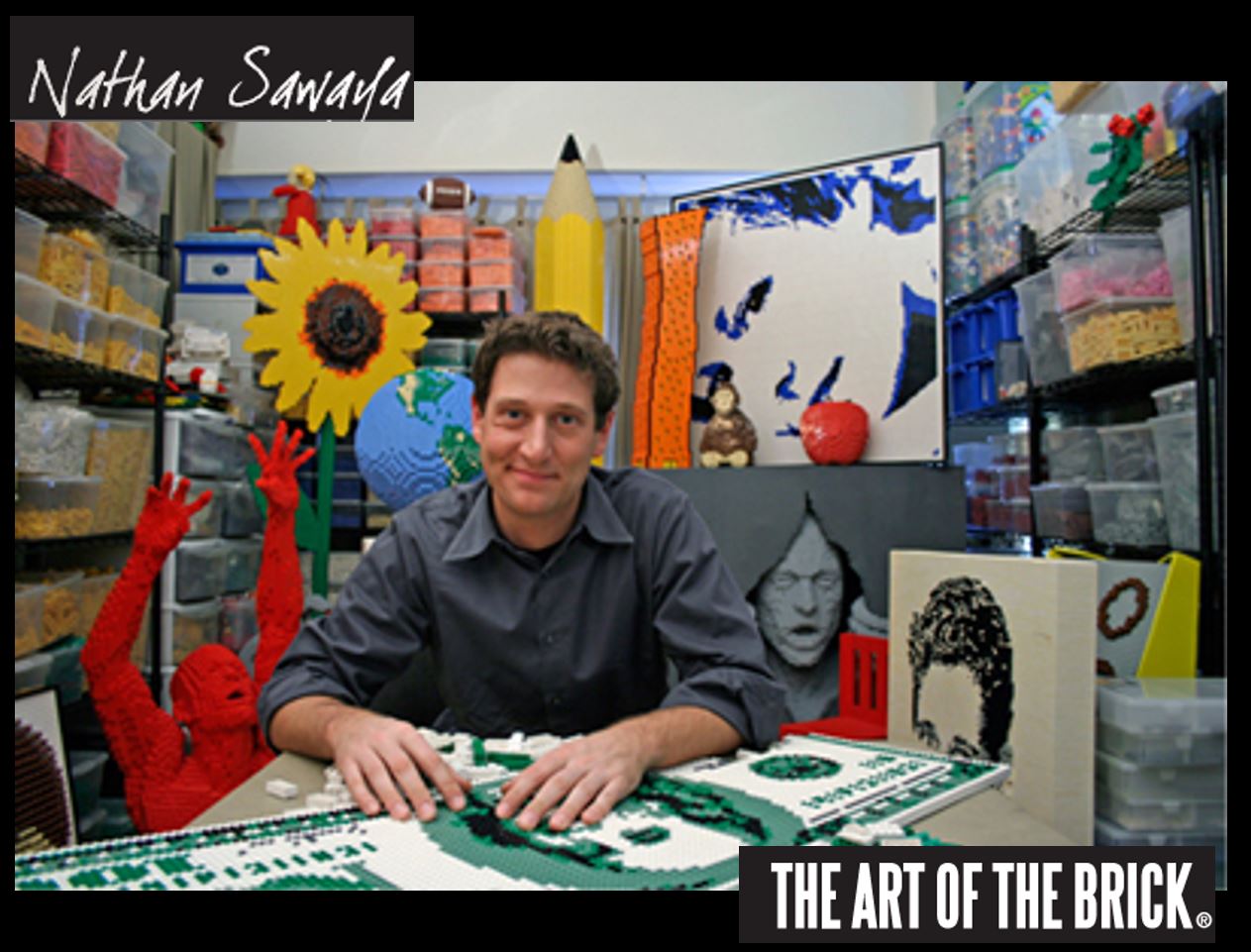
We looked at artist Nathan Sawaya. His website is http://www.brickartist.com/ if you would like to see more of his work. It will amaze you. 


This is lego self portrait looking at a Lego reflection mind-blowing isn't it?


This is a care built entirely out of legos that works!


Understanding ellipse are fundamental in drawing.

As are cubes.


Combine them to draw complex objects accurately. 


This should be in your sketchbook.


As should this. The point of this exercise is you can have the ability to move shapes in any direction to draw what you need.


Find the shapes!


Monday, August 14, 2017

Wassily Kandinsky: Do Shapes have a sound?


This is a very important question.


We live in a world of sounds.


It took an orchestra composter/painter/graphic designer to be the first to ask this very important question. The reason he asked this because of his observable world. Drums and cymbals are very specifically shaped. A trumpet and a tuba look nothing alike and it is because of their shapes that they yield very different sounds.


If shapes and color can have sounds what would they look like? The following are how Kandinsky experimented.


Think of each of his musical works as a symphony not only of color and shapes, but of sound! He was creating visual orchestras!


Kandinsky's influences were not limited to just music. He was also heavily inspired by the scientific discoveries of his day.


Some of his visual explorations while rooted in music also were heavily influenced by art theory as well. He wanted to push the boundaries between how people synthesize sound and visuals. So that we the viewers can see sounds and hear visuals.


Just like music has movements and can be inspired by different rhythms so can visual art.


Now it's your turn!


Welcome!


Welcome students to Braden River Art's Blog!

In this blog you will be able to link to class assignments, find explanations of projects, gain access to reference materials, and advanced classes will be able to post assignments. I'm hoping this will further reflect the professional world and make your learning environment even better. 

Make sure you download and print a syllabus from…


Also, please check out our gallery site at

Monday, May 22, 2017

Character Design Continued


The key part to character design is again ...STORY! That will shape how your characters feel, sound, and appear.


It is helpful to imagine real life counterparts to your character design.


Part of your character design is testing out elements that help shape the character's personality.

Helping to depict challenges for your hero to overcome can make your character a lot more interesting.


Also, remember that the accessories that your character has should be story relevant. Make your element's count.


Once you have accounted for these elements, and they harmonize you will be amazed how your characters come together.


Make sure that you use really good reference...GOOD REFERENCE MAKES GOOD ART!


Rubric for your final character design project...

First develop a story. Your story maybe a continuation of a story that already exists, but must contain original elements. This is not copying something that already exists, but creating something new, or developing an original progression.

Second, you will need 3 characters and two accessories.

It is recommended you start with the protagonist, then the antagonist, and then a supporting character. 

Your accessories need to somehow be very story centric. They need to matter for the story progression...think excalibur for King Arthur, or a lightsaber for Luke Skywalker, or the Burn Book in Mean Girls.

NO GUNS!!!

What will be graded.

1. Story Presentation
2. Character Designs
  • Good underlying silhouette.
  • Gesture development...does it sell their story? 
  • Costume...well referenced

3. Accessories
  • Story Relevance
  • Clear relationship to the characters
  • Well Referenced

4. The basic Art Aesthetic Standards outlined in the Syllabus